A complete pre-departure checklist for Morocco: documents, bookings, money, health, connectivity and packing — everything to confirm before you board so nothing is left to chance.
In this guide
Documents: what do you need before you fly?
Morocco entry is straightforward for most nationalities, but the basics must be right before you leave home.
- Passport: valid for at least 6 months beyond your arrival date, with at least one blank page for the entry stamp.
- Visa: most US, Canadian, UK, EU, Australian, NZ and Japanese passport holders enter visa-free for up to 90 days. Confirm your specific nationality's status before booking.
- Travel insurance: essential — covering medical evacuation, cancellation and lost luggage. Check that adventure activities (trekking, camel treks) are included if relevant.
- Printed riad address in Arabic: medina taxi drivers often need it; your riad will provide it on request.
- Digital and printed copies of your passport photo page, travel insurance and key booking confirmations.
Bookings to lock in before departure
Morocco's best riads, luxury desert camps and licensed guides book out weeks or months ahead, especially in spring (March–May) and autumn (September–November). Leave these to the last minute at your peril.
- Riad or hotel: book early, especially for Marrakech in April and October. Read reviews for location — proximity to the medina centre and distance from noisy squares matters.
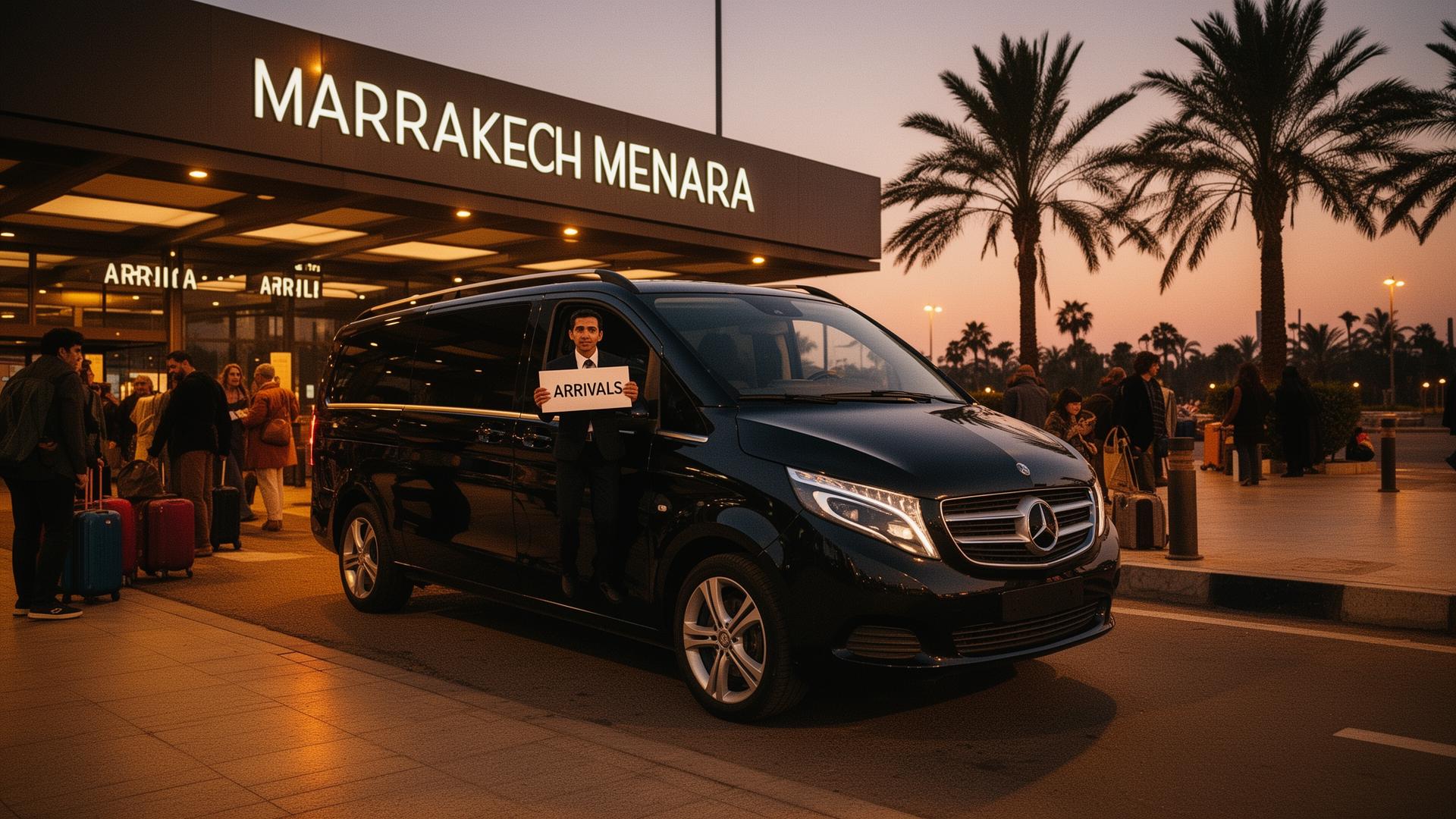
- Airport transfer: arrange a name-board private pickup from your carrier, with flight tracking. Don't queue for taxis at Marrakech Menara or Casablanca Mohammed V.
- Desert camp: if you are visiting Erg Chebbi or Erg Chigaga, book the luxury camp months ahead; the best properties have very limited capacity.
- Guides: a licensed private city guide for Fes and Marrakech is worth every dirham — book through your riad or a trusted operator.
- Intercity transfers: if using a private driver for the Sahara circuit, confirm itinerary, route and price well in advance.
Money: what to sort before you land
The Moroccan dirham (MAD) is a closed currency — you can't buy it outside Morocco. Withdraw from ATMs on arrival or at the airport (rates are reasonable; limit airport bureau de change use). Cards are accepted at riads and larger restaurants but the souks, taxis, tips and rural stops are cash-only.
- Notify your bank and card provider of travel dates to avoid fraud blocks.
- Bring two different cards in case one fails or an ATM malfunctions.
- Carry sufficient small notes (10 and 20 MAD) for tips, taxis and small purchases.
- Budget a daily cash float of roughly 200–400 MAD per person for incidentals.
Health: what to check before you go
No special vaccinations are required for Morocco, but routine immunisations should be up to date. Consult your GP or a travel clinic 4–6 weeks before departure if you have specific health concerns or are trekking.
- Routine vaccinations: MMR, DTP, hepatitis A recommended as up to date.
- Prescription medications: bring a full supply plus a few days' extra; include a written prescription.
- Travel pharmacy: anti-diarrhoeal (loperamide), oral rehydration sachets, paracetamol, antihistamine, blister plasters, high-SPF sun cream.
- Tap water: drink bottled water throughout Morocco; avoid ice in budget street stalls.
- Travel insurance: ensure emergency medical evacuation is included.
Connectivity and practical logistics
Getting online in Morocco is cheap and easy if you plan it; arriving without data is an unnecessary complication.
- SIM card or eSIM: purchase a Maroc Telecom, Orange or Inwi prepaid SIM at the airport on arrival (bring your passport), or activate a travel eSIM before boarding.
- Offline maps: download Morocco on Google Maps or Maps.me before you fly; medina navigation without data is genuinely hard.
- WhatsApp: the standard communication tool for riads, guides and drivers in Morocco. Ensure your number is activated.
- Power adaptor: European two-pin Type C/E plug, 220V. Most modern phone and laptop chargers are dual-voltage.
- Share your itinerary with someone at home, including riad addresses and driver contact details.
Frequently asked
What documents do I need to enter Morocco?
A passport valid for at least six months beyond your arrival date, and proof of onward or return travel if requested. Most nationalities (US, UK, EU, Canada, Australia, NZ) enter visa-free for up to 90 days. Confirm your specific nationality's requirements before you book.
Do I need travel insurance for Morocco?
Yes — comprehensive travel insurance is strongly recommended. Ensure it covers medical costs, emergency evacuation, trip cancellation and any adventure activities you plan (trekking, camel treks). Morocco's medical facilities are adequate in the cities but limited in rural areas.
Should I get dirham before flying to Morocco?
No — the Moroccan dirham is a closed currency, unavailable outside Morocco. Withdraw cash from an ATM at the airport on arrival. Rates at ATMs are reasonable; avoid airport bureau de change if possible.
How far in advance should I book a riad in Marrakech?
For travel in April and October (peak seasons), book at least 2–3 months ahead for the best properties. Luxury desert camps at Merzouga and Chigaga sell out even earlier. January and February can be booked with less lead time.
What plug adaptor does Morocco use?
Morocco uses European Type C and Type E two-pin plugs at 220V. Bring a European travel adaptor. Most modern phones, laptops and camera chargers are dual-voltage (100–240V) and need only an adaptor, not a converter.
Planning a trip?
Let a Marrakech atelier handle the details.
Tell us your dates and style and we'll send a written itinerary and a transparent quote within 24 hours.
Request an itineraryKeep reading
Planning
Morocco Visa & Entry Requirements
Most travellers — including US, Canadian, UK, EU/Schengen, Australian, New Zealand and Japanese passport holders — enter Morocco visa-free for up to 90 days. You need a passport valid for at least six months beyond arrival.
Practical
What to Pack for Morocco
Pack light, modest and layered. Morocco swings from hot medinas to cold desert and Atlas nights in a single trip, so breathable layers, comfortable walking shoes and a warm top cover almost everything.
Planning
Morocco Travel Costs & Budget
Morocco can be done on almost any budget. Mid-range travellers spend roughly US$80–150 per person per day; private, riad-based trips with a driver-guide typically run US$200–400+ per day depending on season and style.