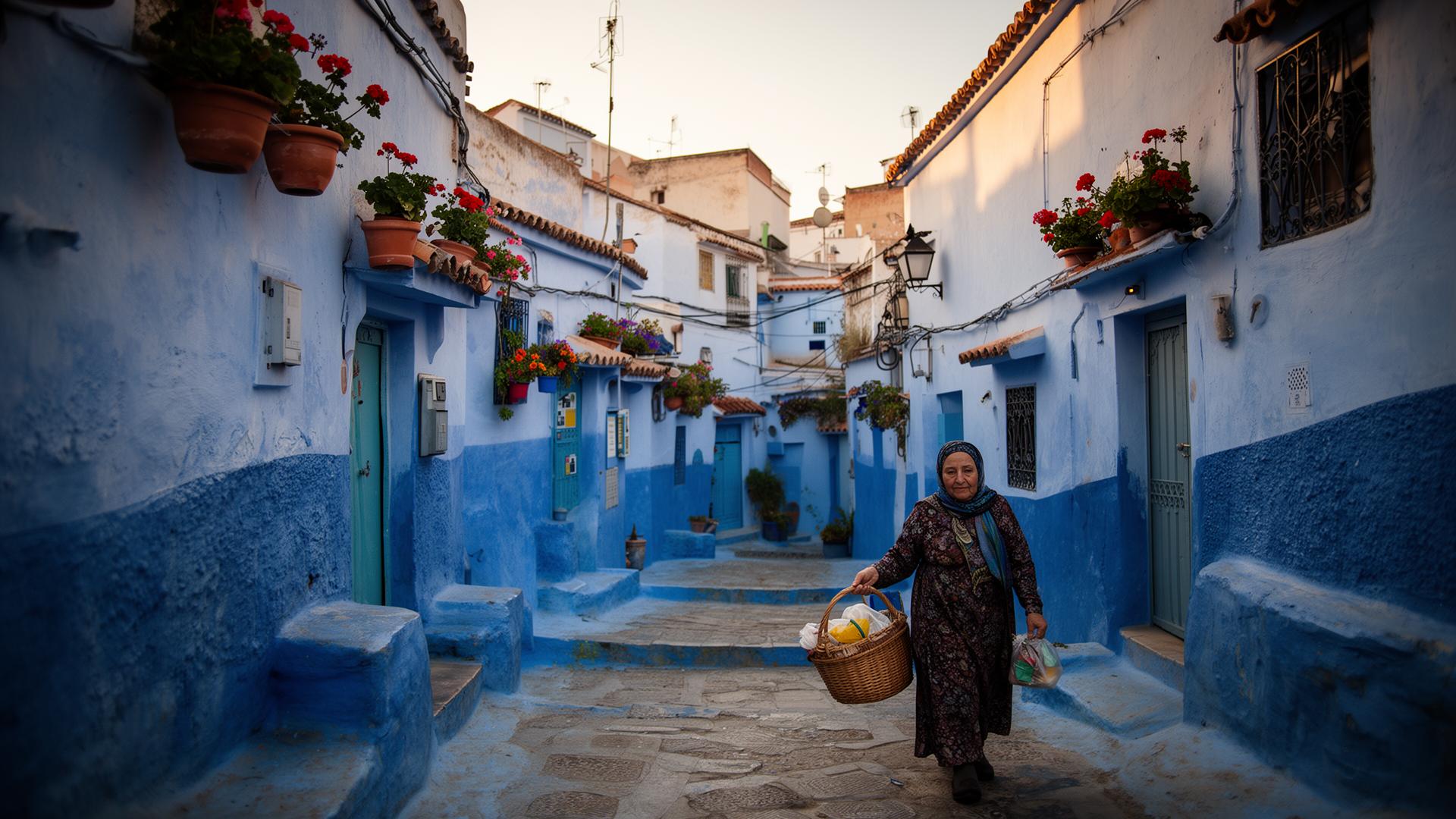
Beyond the medinas and the dunes, Morocco protects an extraordinary range of wild landscapes — the High Atlas peaks of Toubkal, the bird-rich coastal wetlands of Souss-Massa, the green Rif gorges of Talassemtane near Chefchaouen, the cedar forests and Barbary macaques of Ifrane, and the lagoons of the deep south. This guide introduces the country's main national parks and natural areas, the wildlife you might see, the best seasons, and how to travel responsibly in them.
In this guide
Mountain and forest parks
Morocco's most-visited protected areas sit in its mountains, where the country's landscapes are at their most dramatic and its biodiversity at its richest. These parks reward both serious trekkers and gentle day-trippers.
The Middle Atlas in particular feels surprisingly green and alpine — a side of Morocco that surprises first-time visitors expecting only desert.
- Toubkal National Park (High Atlas): home to Jebel Toubkal, North Africa's highest peak, plus Berber villages, valleys and trekking routes from Imlil. The heart of Morocco's mountain walking.
- Talassemtane National Park (Rif): green limestone gorges, waterfalls and forest near Chefchaouen — the Akchour waterfalls and the natural 'God's Bridge' rock arch are the popular highlights.
- Ifrane National Park (Middle Atlas): vast cedar forests famous for their Barbary macaques and a cool, alpine feel that earns the town of Ifrane the nickname 'Little Switzerland'.
Coast, wetlands and desert
Morocco's protected nature is not only mountainous. The Atlantic coast and the south hold internationally important wetlands and the great desert landscapes that draw travellers from around the world.
- Souss-Massa National Park (Atlantic coast, near Agadir): coastal cliffs, dunes and estuaries that are a birdwatcher's destination — most famously a refuge for the rare northern bald ibis.
- Khenifiss National Park (southern coast): Morocco's largest coastal lagoon, a Ramsar wetland on the edge of the Sahara that draws flamingos and migratory birds.
- The Sahara and southern desert: while experienced largely through the great ergs (Erg Chebbi at Merzouga, Erg Chigaga near M'Hamid), the desert is a fragile ecosystem of dunes, oases and hardy wildlife.
- Dakhla lagoon (far south): a vast, shallow Atlantic lagoon famous for flamingos and watersports, where desert meets a turquoise sea.
Wildlife you might encounter
Morocco's wildlife is more varied than many visitors expect, spanning mountain forests, wetlands and desert margins. None of it is guaranteed on a given visit — wild animals move and seasons matter — but a few species are emblematic and reasonably findable in the right place at the right time.
- Barbary macaque: the only monkey native to North Africa, found in the cedar forests of the Middle Atlas around Ifrane and Azrou (please never feed them — it harms them).
- Northern bald ibis: one of the world's rarest birds, with an important colony protected in the Souss-Massa area.
- Flamingos and migratory waterbirds: seen at coastal lagoons and wetlands such as Khenifiss, Merja Zerga and the Dakhla lagoon, with numbers peaking on migration.
- Smaller desert and mountain wildlife: foxes, reptiles, raptors and, in remote ranges, shy mammals — most often glimpsed rather than reliably seen.
Best seasons and responsible nature travel
Timing matters as much for nature as for cities. High Atlas trekking is best from roughly late spring to early autumn, when the high passes are clear of snow; the Rif and Middle Atlas forests are lovely in spring and autumn; the desert is best in the cooler months from autumn through spring; and the coastal wetlands are at their most rewarding during the bird migration seasons of spring and autumn.
Wherever you go, travel lightly. National parks and wetlands are fragile, and Morocco's wild places see growing pressure from visitors. Stick to established trails, take all litter out with you, keep a respectful distance from wildlife and never feed it, use local guides (who know the terrain and whose livelihoods support conservation), and respect the Berber and rural communities who live within and alongside these protected areas.
- High Atlas trekking: roughly late spring to early autumn (snow-free high passes).
- Forests of the Rif and Middle Atlas: spring and autumn are loveliest.
- Desert: cooler months, autumn through spring.
- Birdwatching wetlands: spring and autumn migration peaks.
- Always: stay on trails, take litter out, don't feed wildlife, hire local guides.
Frequently asked
What is Morocco's most famous national park?
Toubkal National Park in the High Atlas is the best known, because it contains Jebel Toubkal — the highest peak in North Africa — and the country's most popular trekking routes, reached from the village of Imlil. Ifrane National Park in the Middle Atlas is also widely visited for its cedar forests and Barbary macaques.
Where can I see monkeys in Morocco?
Barbary macaques live in the cedar forests of the Middle Atlas, especially around Ifrane and Azrou — Ifrane National Park is the classic place to see them. They are wild animals, so please keep your distance and never feed them, as human food harms their health and behaviour.
Is Morocco good for birdwatching?
Yes — Morocco is a notable birdwatching destination. The Souss-Massa coast protects the rare northern bald ibis, and coastal lagoons and wetlands such as Khenifiss, Merja Zerga and the Dakhla lagoon attract flamingos and migratory waterbirds, with the best numbers during the spring and autumn migrations.
When is the best time to visit Morocco's nature areas?
It depends on the landscape: high mountain trekking is best from roughly late spring to early autumn when the passes are snow-free; the Rif and Middle Atlas forests are loveliest in spring and autumn; the desert is best in the cooler months from autumn through spring; and wetlands are most rewarding during the migration seasons of spring and autumn.
Planning a trip?
Let a Marrakech atelier handle the details.
Tell us your dates and style and we'll send a written itinerary and a transparent quote within 24 hours.
Request an itineraryKeep reading
Planning
Trekking the Atlas Mountains: Toubkal, Imlil & Beyond
The High Atlas rises to 4,167 metres at Jbel Toubkal, North Africa's highest peak. Whether you want a single-day walk from Imlil, a multi-day village traverse or a summit attempt, the Atlas rewards it — with the right season, guide and preparation.
Planning
Things to Do in Chefchaouen: The Essential Guide
Chefchaouen — Morocco's famous blue city tucked into the Rif Mountains — is more than a photography backdrop. Its medina is small, walkable and genuinely beautiful; its mountains reward hikers; its food is distinctively Rifian; and its pace is the slowest in the country.
Planning
The Best Time to Visit Morocco
Spring (March–May) and autumn (September–November) are the best all-round times to visit Morocco — warm days, cool evenings and ideal conditions for the medinas, mountains, coast and desert alike.